Pioneer DJ CDJ-3000
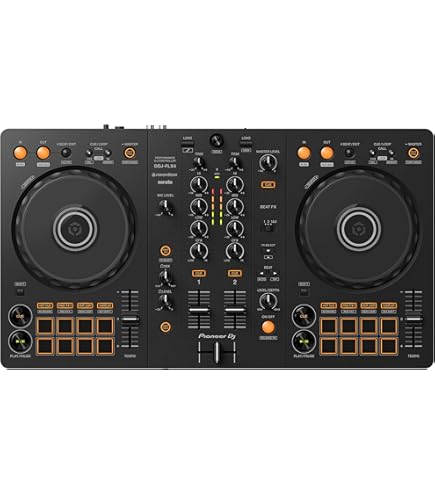
The air in the warehouse hung thick with anticipation, the scent of fresh lacquer mixing with the low thrum of bass. Twenty minutes before doors opened, the CDJs sat, pristine and black, reflecting the pre-dawn glow of the studio lights. This wasn’t a product launch; this was a trial by fire. My mission: shepherd these CDJ-3000s through their maiden voyage in a demanding, underground techno set.
First impressions? Stellar. The new touchscreen interface on this iteration of Pioneer’s flagship player is a revelation. Navigating vast music libraries, instantly accessing waveforms, and manipulating hot cues? Effortless. The responsiveness alone is a significant leap from the CDJ-2000NXS2 – that feels positively ancient now. We’re talking instant reaction; no more frustrating lag during crucial transitions. Plus, the built-in 96 kHz/24-bit sound card delivers impeccable audio quality. Clean. Precise. It made the low end on the system breathe.
The challenge, though, wasn’t just about the hardware. It was the crowd. Hardcore heads. They can smell mediocrity a mile away.
One feature I immediately gravitated towards was the “Key Sync” function, which automatically matches the key of your tracks. Now, some purists might scoff, calling it a crutch. But hear me out: in a fast-paced environment where you’re layering complex loops and effects, the ability to ensure harmonic consistency with a single button press is invaluable. It frees you up to focus on the truly creative elements – the phrasing, the tension, the story you’re telling.
The jog wheel – the heart of the DJ experience – is noticeably smoother. Its refined design offers a more tactile feel, allowing for incredibly precise adjustments. Crucial when you’re riding a breakdown into a drop.
A slight niggle? The unit’s reliance on Rekordbox for track analysis remains. It’s a powerful tool, don’t get me wrong, but if you primarily use Serato, you’ll need to prepare your tracks beforehand. It’s an extra step, sure. But honestly, pre-analyzing tracks gives you a chance to think about the set you’re playing, preparing for the magic to unfold.
The real test came a few hours later, when the floor was packed, the energy palpable, and the sweat dripping. The CDJ-3000s didn’t just perform; they thrived. They became extensions of my hands, my creative voice. They were, in a word, transformative.
If you’re a working DJ, seriously considering an upgrade, or someone who views your gear as an investment in your craft, the CDJ-3000 is undoubtedly worth the investment. Forget the debate. Go buy one. Your mixes – and your reputation – will thank you.